

How Expensive Is It to Repair Auto Glass? A Complete Cost Guide
Understanding Auto Glass Types and What Makes Them Break: Foundations for Cost Estimates
Understanding Auto Glass Types and What Makes Them Break: Foundations for Cost Estimates
Auto glass is not a single material; manufacturers use several specialized laminates and tempered sheets to meet safety standards, acoustic goals, and design requirements. Recognizing the distinctions among these glass types is essential for anyone estimating repair costs, as each variant exhibits its own fracture behavior and replacement cost.
Laminated glass, typically found in windshields, consists of two layers of clear glass bonded with a polyvinyl butyral (PVB) interlayer. The PVB film holds shattered pieces together, preventing the driver’s view from being completely obscured. When a chip or crack forms, the surrounding laminate distributes stress, often allowing minor damage to be repaired without replacing the entire pane.
Tempered glass, used for side and rear windows, is a single sheet of glass that has been heat‑treated to increase strength. The tempering process creates compressive stresses on the surface and tensile stresses inside. If the surface is breached, the glass shatters into small, relatively harmless fragments. This break‑apart characteristic makes tempered windows less amenable to repair; even a modest impact usually calls for full replacement.
A third, less common variant is acoustic laminated glass. It incorporates a thicker PVB layer or an additional acoustic laminate to dampen road noise. The added material improves comfort but also raises the cost of both repair and replacement.
Understanding why these glasses break starts with the physics of impact. When a projectile—whether a stray rock, a door edge, or a temperature‑induced stress—strikes the surface, the energy is transferred into the glass lattice. In laminated glass, the PVB interlayer absorbs much of this energy, reducing the likelihood of a full‑size crack. In tempered glass, the stored internal stresses mean that once the surface tension exceeds a threshold, the entire pane releases its stored energy in a controlled shatter.
Environmental factors also play a critical role. Sudden temperature changes, such as driving from a warm garage into a cold morning, can cause thermal stress. Glass expands and contracts at rates that differ from those of the surrounding metal frame, creating micro‑fractures that may later develop into visible cracks. Similarly, structural flex—the slight bending of the vehicle’s body during cornering—can stress windows over time, especially if the mounting hardware is loose or corroded.
Human factors cannot be ignored. Improper cleaning techniques, such as using abrasive pads or applying excessive pressure, can cause small chips that grow under normal vibration. Moreover, aftermarket accessories such as roof racks or antenna mounts may introduce point loads on the windshield, concentrating stress and increasing the chance of breakage.
From a cost‑estimation perspective, the type of glass determines both the material cost and the labor complexity. Laminated windshields often cost more because the PVB layer requires precise bonding and curing processes. Repair technicians must also assess the depth of a chip; shallow chips (typically less than a quarter of an inch) can be filled with resin, while deeper or longer cracks may demand a full pane swap. Tempered windows, although cheaper to produce initially, usually incur higher replacement fees because the entire unit must be removed and reinstalled, and the OEM‑approved sealant must be reapplied to maintain water resistance and structural integrity.
A concise checklist helps owners prioritize inspection and budgeting:
Identify the glass type (laminated vs. tempered).
Note the location of the damage (windshield, side, rear).
Measure the crack length and depth; chips under 0.25 in. are often repairable.
Consider environmental exposure (temperature swings, road debris).
Evaluate any aftermarket equipment that might add stress points.
By mapping these factors early, vehicle owners gain a realistic picture of potential repair versus replacement scenarios. This foundation sets the stage for deeper analysis of the key price drivers—damage severity, glass specifications, and geographic location—that will be explored in the next section.
Breaking Down the Key Factors That Influence Repair Prices (Glass Type, Damage Severity, Location)
When drivers think about the cost of fixing a cracked windshield, the first thing that comes to mind is the price tag. In reality, three main variables shape that number: the type of glass involved, how badly the damage is graded, and where the repair takes place. Understanding each factor helps motorists anticipate the bill and avoid surprise charges.
Glass Type Matters
Different sections of a vehicle use distinct glass compositions, and each carries its own price range.
Laminated windshield glass – This safety glass consists of two layers of tempered glass bonded by a plastic interlayer. Because the interlayer must be replaced or re‑bonded, labor is more intensive, pushing costs higher.
Tempered side and rear windows – These panels are single-ply and break into small, dull pieces. Replacement generally takes less time, so the price tag is lower than that of a windshield.
Specialty glass – Some high‑end models feature acoustic‑dampening or HUD (heads‑up display) glass. The added technology means both parts and labor are premium.
The material influences not only the raw cost of the part but also the tools and expertise the technician needs. A shop that stocks a variety of OEM (original equipment manufacturer) glass will often charge more than a provider that uses reputable aftermarket options, though the trade‑off is warranty coverage and fit‑precision.
Damage Severity Drives Labor Hours
The extent of the damage is the second driver of price. Technicians follow a simple hierarchy: minor chips, moderate cracks, then extensive fractures that compromise structural integrity.
Minor chips (≈ 1‑2 in.) – These can usually be repaired with a resin fill in under an hour. Most insurers cover the procedure in full, and out‑of‑pocket costs can be as low as (30- )50.
Medium cracks (up to 6 in.) – At this stage, the repair still uses resin, but multiple passes and careful polishing are required. Labor time climbs to 1‑2 hours, and the price often lands between (70 and )120.
Large or multiple cracks (over 6 in., spider webs, or edge damage) – When the damage reaches the periphery or disrupts the interlayer, a full windshield replacement becomes necessary. This shift adds not only the cost of a new glass panel but also the cost of removing and disposing of the old one, raising total expenses to (200‑)600 for most passenger vehicles.
Severity also affects warranty eligibility. Many reputable shops offer a 1‑year warranty on repairs, but that guarantee typically lapses if the crack exceeds the size threshold they originally quoted.
Location Influences Labor Rates and Accessibility
Where the repair is performed can create noticeable price differences, even for identical glass and damage.
Dealership service centers – These locations charge the highest labor rates, reflecting brand‑specific training and often the use of OEM parts. A windshield replacement at a dealer can be (100‑)200 more than at an independent shop.
Independent auto glass shops – Competitive pricing is the norm here, and many shops partner with insurance networks to streamline claims. Expect a balanced mix of quality and cost.
Mobile units – Technicians who come to the driver’s home or workplace add convenience, but they also factor in travel time when estimating. In urban areas, the premium is modest—usually (20‑)40 extra—but in remote regions it can double the quoted price.
Geographic region – Labor rates follow local cost‑of‑living trends. A repair in a major metropolitan area may cost 15‑30 % more than the same service in a smaller town. Seasonal demand also matters; winter storms often create a surge in windshield work, prompting shops to temporarily raise prices.
“Choosing a reputable mobile service can lower overall expenses, especially when the technician can complete the job in one visit without the overhead of a brick‑and‑mortar shop,” notes an industry veteran.
Putting It All Together
When a driver receives a quote, the breakdown usually looks like this:
Part cost – Determined by glass type and whether the part is OEM or aftermarket.
Labor cost – Calculated based on damage severity and the estimated hours needed.
Location surcharge – Reflects the shop’s base rate, any travel fees, and regional cost adjustments.
Recognizing these components lets vehicle owners ask the right questions: Is the glass OEM or an approved equivalent? Will the crack size require a full replacement? Can a mobile unit perform the job at a lower total cost? By evaluating each factor, drivers can compare quotes more intelligently and select a solution that balances safety, quality, and budget.
The next step is learning how to gather accurate estimates, whether through DIY calculators, mobile service platforms, or a traditional repair shop.
How to Get Accurate Repair Quotes: Comparing DIY Estimates, Mobile Services, and Shop Rates
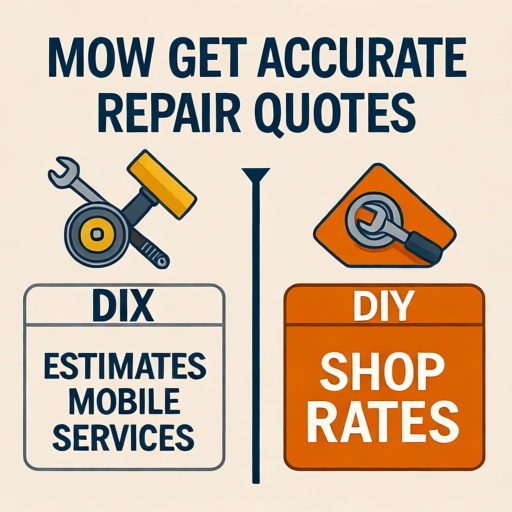
When a windshield chip or a cracked side window appears, the first instinct is to find a price as fast as possible. Yet the cheapest number on a flyer rarely reflects the true cost of a reliable repair. To avoid surprises, drivers should treat the quoting process like a mini‑shopping trip—gathering information, checking credentials, and weighing the pros and cons of each service model.
Start with a baseline estimate. Most auto‑glass manufacturers and insurance portals offer free online calculators. By entering the vehicle’s make, model, year, and the type of damage, the tool returns a ballpark figure that includes glass price, labor, and typical markup. This baseline is useful for two reasons: it sets realistic expectations and it gives a reference point when negotiating with providers.
DIY Estimates: What the Home‑Repairer Sees
A growing number of owners turn to do‑it‑yourself kits for minor chips. The kits usually include resin, a curing light, and step‑by‑step instructions. When calculating a DIY quote, consider the following items:
Cost of the repair kit (usually (20–)45 for standard windshields)
Potential need for a heat gun or UV lamp if not supplied
Time spent learning the process (most kits suggest 30–45 minutes)
Risk of voiding warranties or insurance claims if the repair fails
Because DIY work eliminates labor charges, the total can be dramatically lower than professional quotes. However, the trade‑off is a higher chance of an imperfect seal, which may lead to leaks or reduced structural integrity. For drivers who lack experience with resin flow or who have damage near the edge of the glass, the DIY route often ends up costing more in the long run.
Mobile Services: Convenience Meets Professionalism
Mobile glass technicians have become a popular middle ground. They travel to the driver’s home, office, or a nearby parking lot, perform the repair on site, and usually complete the job within an hour. When assessing a mobile quote, look beyond the headline price:
Labor rate – Mobile providers typically charge a flat fee that covers travel, setup, and the technician’s time.
Glass warranty – Reputable firms offer a 12‑month guarantee on the repair; verify that the warranty is transferable if you switch insurers.
Insurance handling – Many mobile shops work directly with insurers, submitting the claim on the driver’s behalf and reducing paperwork.
Because travel time is factored into the fee, mobile quotes can be slightly higher than a shop’s labor cost but lower than a full‑service dealership. The biggest advantage is reduced vehicle downtime; a driver can stay at work while the technician finishes the job.
Traditional Shop Rates: Full Service, Full Transparency
Fixed‑location repair shops—ranging from independent glass specialists to dealership service bays—provide the most controlled environment. Their quotes usually break down into three components:
Glass price – OEM (original equipment manufacturer) glass commands a premium; aftermarket glass is less expensive but may not meet every safety standard.
Labor – Shops charge by the hour; typical rates vary from (80 to )130, depending on region and shop reputation.
Overhead – Facility costs, equipment depreciation, and compliance with safety regulations are baked into the final number.
When requesting a shop quote, ask for a written itemization. This transparency helps compare the cost of glass versus labor and reveals hidden fees such as disposal or environmental surcharges. Additionally, verify that the shop is certified by the Auto Glass Safety Council (AGSC) or a comparable body; certification signals adherence to industry best practices.
Putting It All Together
To arrive at the most accurate quote, follow this three‑step routine:
Collect at least three estimates—one from a DIY source, one from a mobile provider, and one from a brick‑and‑mortar shop.
Match the scope—ensure each estimate covers the same glass type (OEM vs. aftermarket), same damage severity, and includes any applicable warranties.
Factor in ancillary costs—insurance deductible, potential rental car fees, and the value of your time spent waiting for the repair.
By comparing the total cost of ownership rather than just the headline price, drivers can make an informed decision that balances budget, convenience, and safety. The next section will walk through a step‑by‑step guide for choosing the right repair option based on these quotes, helping readers align their budget with the safest outcome.
Step‑by‑Step Guide to Choosing the Right Repair Option for Your Budget and Safety
When the last section showed how to pull reliable quotes, the next logical step is turning those numbers into a practical decision. The goal is to balance the wallet‑friendly choice with the level of protection a driver expects from their vehicle. Below is a guided pathway that helps anyone—from a first‑time car owner to a seasoned commuter—pick the repair route that fits both budget constraints and safety requirements.
1. Identify the type of damage
Minor chips (≤ ½ inch) – Usually safe to repair with a resin fill.
Small cracks (up to 6 in.) – Many shops can polymerize the crack, restoring strength.
Large cracks or multiple damage points – May need a full panel repair or replacement.
Understanding the damage category narrows the pool of viable options and prevents the costly mistake of choosing a repair that won’t hold up under stress.
2. Match the damage to repair methods A quick comparison helps visualize trade‑offs:
Resin injection – Cheapest (often under $100), fast, but only restores structural integrity for very small flaws.
Windshield polishing – Slightly higher cost, reduces visual distortion, yet does not add strength.
Controlled crack welding – Moderate price (typically (120‑)200); restores most of the original strength and is acceptable for most safety inspections.
Full panel replacement – Highest expense (from $300 upward), but guarantees original design performance, especially important for side‑impact or advanced driver‑assist sensors.
By aligning the damage size with the appropriate method, drivers avoid over‑paying for unnecessary work while still meeting safety standards.
3. Evaluate your insurance coverage Even after gathering quotes, insurance can swing the cost dramatically. Many policies waive the deductible for windshield repairs but apply it to replacements. Check the policy wording or call the adjuster to confirm whether a repair or a replacement will be covered. If the deductible is $0 for repairs, the out‑of‑pocket expense may drop to a nominal fee, making the safer option more affordable.
4. Consider the vehicle’s age and value. Older cars with lower market value often benefit from a repair rather than a full replacement, because the cost of a new glass can exceed the vehicle’s worth. Conversely, a newer model equipped with lane‑keep assist or rain‑sensing wipers relies on a perfectly clear and structurally sound windshield. In such cases, opting for a replacement protects the functionality of those systems.
5. Factor in convenience and warranty Mobile services bring the repair to the driver’s doorstep, eliminating rental‑car costs and time spent at a shop. However, some mobile providers only offer resin fills, not full replacements. If a 1-2-year warranty is important, verify whether the service includes it; many reputable shops offer a limited warranty on both repairs and new glass, which can save money if a defect appears later.
6. Run a quick risk checklist. Before finalizing the decision, run through these questions:
Will the chosen repair restore the glass to the strength required for airbags to deploy correctly?
Does the repair method keep sensor alignment intact for any driver‑assist features?
Is the cost difference between repair and replacement marginal enough to justify the higher safety margin?
If the answer to any of the above is “no,” it may be prudent to lean toward a replacement, even if it costs more upfront.
7. Make the choice and schedule the work. Once the analysis is complete, contact the preferred provider, confirm the scope of work, and lock in a date. Many shops hold inventory for a few days, so acting promptly helps secure the quoted price and avoid sudden price hikes.
“Choosing a repair option is not just about the sticker price; it’s about ensuring the vehicle continues to protect its occupants.” – An experienced auto‑glass technician
By systematically walking through damage assessment, repair method matching, insurance considerations, vehicle value, convenience factors, and a concise risk checklist, drivers can confidently select a repair solution that respects both their budget and their safety expectations. The next section will explore when a simple repair no longer suffices and a full glass replacement becomes the sensible path.
Beyond the Basic Repair: When Replacement Is Needed and How Costs Scale Up
After walking through the decision‑making steps for a repair, many drivers discover that the damage has crossed a threshold where a simple fix will no longer restore structural integrity. In these cases, the windshield—or any other glass panel—must be replaced entirely. Understanding the signals that trigger a full replacement and how costs increase with each factor helps owners avoid surprise bills and choose the safest solution.
Key indicators that a replacement, not a repair, is required
Cracks longer than 6 inches (or that span multiple panels)
Damage that reaches the edge of the glass, compromising the seal
Multiple impact points on a single panel
Severe chips that have shattered a large area of the pane
Any damage that impairs the operation of airbags, sensors, or defrosters
When any of these conditions appear, the original glass loses its ability to distribute loads properly. A compromised windshield can flex under stress, increasing the risk of sudden failure while the vehicle is in motion. Because the glass also houses safety systems, a subpar repair could render airbags ineffective during a collision.
How the cost hierarchy builds
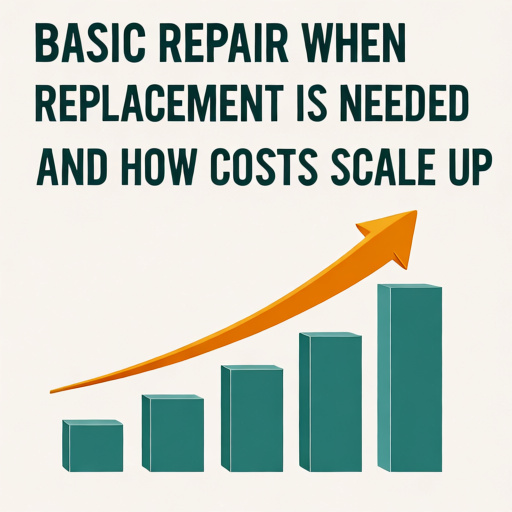
The price of a full replacement does not rise linearly; it varies across three main dimensions: material, labor, and ancillary components.
Material choice – OEM (Original Equipment Manufacturer) glass matches the factory specifications, but it typically costs 15‑30 % more than certified aftermarket alternatives. For high‑end models, OEM panes may also be thicker or feature special coatings, which drive up the price.
Labor complexity – A standard windshield swap can take 45 minutes to an hour, but modern vehicles with rain‑sensing wipers, heads‑up displays, or built‑in rear‑view cameras demand additional disassembly and recalibration. Each additional subsystem can add (100- )300 to the labor bill.
Ancillary items – The sealant, urethane adhesive, and any trim pieces removed during the job are not optional. A high‑quality urethane that meets OEM standards can cost (30- )70 per panel. Some models also require a new sensor module, which alone may cost (150‑)400.
When these elements combine, a straightforward replacement on a midsize sedan might total (400‑)600. The same service on a luxury SUV, especially one with integrated driver‑assist sensors, can climb past $1,200.
Real‑world cost ranges
Compact cars (e.g., Honda Civic, Toyota Corolla): (300‑)450 for a basic replacement, (500‑)700 if equipped with rain sensors.
Mid‑size sedans (e.g., Ford Fusion, Chevrolet Malibu): (400‑)600 standard, (650‑)900 with advanced driver‑assist features.
Luxury or SUV models (e.g., BMW 5 Series, Audi Q7): (800‑)1,200 for standard glass, (1,400‑)2,000 when multiple electronic components are involved.
These figures exclude any deductible the driver might pay under an insurance policy, which can add (100‑)300 to out‑of‑pocket costs if the claim is processed as a replacement rather than a repair.
Why do costs jump dramatically with certain features
Modern windshields often serve as more than a transparent barrier. They house:
Rain‑sensing wipers that automatically adjust blade speed.
Heads‑up display (HUD) projections that rely on precise glass curvature.
Forward‑looking cameras for lane‑keeping assistance.
Each of these systems requires careful alignment after a new pane is installed. Technicians must use calibrated tools to verify sensor angles, which adds both time and the need for specialized equipment. The extra labor is reflected directly in the final invoice.
Practical tips for managing replacement expenses
Ask for a detailed breakdown. A reputable shop should itemize glass, adhesive, labor, and any sensor calibrations. This transparency makes it easier to spot unnecessary mark‑ups.
Shop around for certified aftermarket glass. While OEM glass offers a perfect match, many certified alternatives meet safety standards at a lower price point.
Leverage insurance wisely. Some policies waive the deductible for glass claims, but only if the work is completed by an approved vendor. Confirm the network before scheduling the job.
Consider timing. Replacement costs can fluctuate seasonally; colder months sometimes see discounted rates as shops aim to fill slower periods.
By recognizing the signs that a repair will no longer suffice, and by understanding how each component contributes to the overall price, drivers can make informed choices that balance safety with budget constraints. The next section will explore how insurance, warranties, and seasonal promotions can further trim the expense of a necessary glass replacement.
Optimizing Your Auto Glass Repair Costs: Insurance, Warranties, and Seasonal Discounts
When the windshield cracks or a side window chips, the first instinct is often to find the cheapest quote. While low prices can be tempting, savvy vehicle owners know that a deeper look at insurance coverage, warranty options, and timing can dramatically lower out‑of‑pocket expenses without sacrificing quality.
Insurance policies usually cover glass damage. Most comprehensive auto‑insurance plans include a glass‑break endorsement, which means the insurer will pay for repair or replacement after the deductible is satisfied. In many states, insurers are even required to waive the deductible for windshield repairs, recognizing the safety importance of a clear view. Policyholders should review their declarations page or contact their agent to confirm whether a glass clause exists and whether a deductible applies. If a deductible is still required, the cost of a professional repair (often (100‑)200) can be less than the deductible itself, making a claim worthwhile.
When filing a claim, the type of claim matters. Some insurers treat a windshield replacement as a “total loss” for the glass, while others classify it as a “glass repair” and apply different pricing guidelines. Submitting a claim for a simple repair rather than a full replacement can keep the deductible low and avoid inflating the overall claim amount. In practice, the adjuster may request photos of the damage, so keeping a smartphone ready to document the crack helps streamline the process.
Warranty programs add another layer of protection. Many auto glass shops offer limited warranties on labor and materials. A typical warranty might guarantee a crack‑free repair for 12‑24 months, shielding owners from recurring damage caused by poor workmanship. When the repair shop’s warranty aligns with the manufacturer’s glass warranty, the vehicle owner benefits from double coverage. It’s wise to ask the shop for written warranty terms before signing the work order, and to note any exclusions, such as damage from stones or extreme temperature changes.
Warranty coverage can also intersect with insurance. If an insurer pays for a repair that later fails under the shop’s warranty period, the shop often handles the re‑repair at no extra charge. This coordination reduces the risk of a second out‑of‑pocket expense, especially for drivers who travel on highways where windshield damage is more common.
Seasonal and promotional discounts are real cost savers. Glass providers frequently run promotions tied to the calendar year. Spring and early summer often see “windshield‑repair specials” because higher road temperatures increase the likelihood of damage. Similarly, many shops offer “end‑of‑year clearance” rates when they need to clear inventory of aftermarket glass options. Signing up for a shop’s newsletter or following its social media pages can alert owners to these limited‑time offers.
In addition to pure price cuts, some businesses bundle services. A common bundle pairs windshield repair with a complimentary interior cleaning or an upgraded wiper set—adding value without raising the base price. When evaluating a bundle, compare the bundled items’ stand‑alone costs to ensure the deal truly saves money.
Practical steps to capture every saving opportunity
Check insurance first – Locate the glass clause, confirm deductible details, and determine whether the insurer waives the deductible for repairs.
Ask about warranties – Request written warranty information from the repair shop, and verify that it covers both labor and glass material.
Time the repair strategically – If the damage is not urgent, consider waiting for a seasonal discount or promotional event; many shops advertise upcoming sales weeks in advance.
Combine offers when possible – Stack a warranty with an insurance claim and a seasonal discount for maximum reduction. Some shops allow a discount on top of an insurance‑paid repair, as long as the claim is processed first.
Document the damage – Photos and a brief description help both the insurer and the shop assess the claim quickly, minimizing administrative delays that could incur extra costs.
By weaving together these three pillars—insurance, warranties, and seasonal promotions—vehicle owners can often keep the final bill well below the average repair cost range. The next section will explore common pitfalls that can inadvertently drive expenses higher, ensuring readers stay alert to hidden fees and unnecessary add‑ons.
Common Mistakes to Avoid That Can Inflate Your Repair Bill

One of the quickest ways to see a repair estimate balloon is by overlooking simple, preventable errors. Even drivers who have shopped around for quotes can fall into the same traps, ending up paying far more than necessary. Below are the most frequent missteps and how they directly impact the bottom line.
1. Ignoring Small Chips Until They Grow A tiny stone chip may look harmless, but moisture can seep into the crack and expand with temperature changes. When the damage spreads, the repair shifts from a quick fill to a full panel replacement—often costing three to five times more. Promptly sealing chips, even with a DIY kit, can lock in the original cost.
2. Choosing the Cheapest Provider Without Verifying Credentials Low‑price offers are tempting, yet many ultra‑budget shops cut corners. Substandard adhesives or improperly calibrated tools can cause the glass to fog, vibrate, or even fail during a minor impact. The resulting re‑work not only adds labor fees but may also void any existing warranty on the original repair.
3. Failing to Confirm Whether Insurance Will Cover the Service Some drivers assume their comprehensive coverage will automatically pay for any glass work. In reality, policies differ: a few require a deductible, others only cover full replacements, and some mandate the use of approved service centers. Skipping the policy check often leads to unexpected out‑of‑pocket expenses.
4. Opting for Non‑OEM Glass Without Understanding Compatibility Aftermarket glass may fit visually, but it can lack the precise bonding specifications of original equipment manufacturer (OEM) parts. Poor alignment can stress the surrounding frame, leading to premature cracks. The cost of replacing that aftermarket pane later usually exceeds the modest premium paid for OEM glass upfront.
5. Delaying the Repair Due to Scheduling Conflicts Procrastination is more than an inconvenience; it can raise the repair price. Seasonal temperature swings accelerate crack propagation, and many shops increase labor rates during peak summer months when demand spikes. Getting the job done within a week often prevents both the technical and financial escalation.
6. Not Asking About Included Services A quote that looks low may exclude essential steps such as windshield cleaning, edge polishing, or recalibrating advanced driver‑assist systems (ADAS) that rely on the glass. When these services are added later, the total can swell dramatically. Clarifying the full scope before signing the estimate avoids surprise line items.
7. Overlooking the Importance of Proper Disposal Fees. Some repair shops bundle the disposal of the old glass into the price, while others charge it separately. If the latter is true, the fee—typically ranging from (20 to )50—can appear as an unexpected addition. Confirming whether disposal is included keeps the final bill transparent.
8. Skipping a Written Estimate. Verbal agreements leave room for interpretation. A written estimate outlines labor hours, parts, taxes, and any warranties. Without it, shops may adjust the numbers after work begins, resulting in a higher invoice than the driver initially anticipated.
“The most common source of surprise charges is an incomplete estimate. Insist on a detailed breakdown before any glass is removed.” – industry veteran
Practical steps to keep the bill in check
Document the damage with clear photos; this helps compare quotes objectively.
Call your insurer first to learn about preferred providers and deductible amounts.
Request a written, itemized estimate that lists labor, parts, taxes, disposal, and any additional services.
Verify certifications such as ASE (Automotive Service Excellence) or manufacturer‑approved installer status.
Ask if ADAS recalibration is required; if so, confirm that the cost is included.
Schedule repairs promptly to avoid weather‑related crack expansion and seasonal price hikes.
By staying vigilant about these pitfalls, drivers can protect themselves from unnecessary cost inflation and ensure that the repair—whether a simple chip fill or a full windshield replacement—remains as affordable as the original estimate promised. The next section will shift focus from avoiding mistakes to proactive care, offering maintenance tips that help keep future glass expenses to a minimum.
Future‑Proofing Your Vehicle: Maintenance Tips to Minimize Future Glass Expenses
A proactive approach to caring for the windshield and windows can keep unexpected breakage—and the associated repair bills—well out of sight. While no driver can control every road hazard, regular habits and a few simple checks dramatically lower the odds that a chip turns into a costly replacement.
Inspect for chips and cracks weekly. Even a tiny stone chip can expand when exposed to temperature swings or road vibration. Drivers who walk around the vehicle after each long trip often spot damage early. A quick visual scan from the driver’s side, followed by a gentle touch with a finger, reveals any loose fragments. When a flaw is caught within 24 hours, many repair shops can seal it for a fraction of the cost of a full windshield swap.
Keep windshields clean, but avoid abrasive tools. Dust, pollen, and insect residue act as tiny abrasives that can scratch the glass surface. Using a soft microfiber cloth and a pH‑balanced glass cleaner protects the windshield’s protective laminate. Harsh chemicals or razor‑blade wipers may weaken the bonding agent between the glass and the vehicle frame, creating micro‑delaminations that later manifest as cracks.
Replace worn wiper blades before they become a threat. Old or stiff blades can streak and, more importantly, drag debris across the glass. A simple rule of thumb is to change the blades every six months or whenever they leave visible streaks. Properly functioning wipers distribute water evenly, reducing the impact of sudden pressure changes that sometimes cause “edge cracks” during heavy rain.
Mind temperature extremes Rapid heating or cooling stresses glass layers. Parking in direct sun on hot summer days and then blasting the A/C can create a temperature gradient that encourages cracks. Using a sunshade, slightly cracking windows for ventilation, and gradually warming the interior with the heater can mitigate this stress. In winter, avoid slamming the door on an icy windshield; let the defroster run for a few minutes before clearing frost.
Guard against structural impacts. Roof racks, cargo boxes, and even loose items in the trunk can shift and strike the windshield during sharp turns. Securing loads with straps or tie‑downs ensures that no external force is applied to the glass. When installing aftermarket accessories, follow the manufacturer’s guidelines and consider professional mounting; improper installation can create stress points that may fail later.
Schedule professional glass inspections annually. Most auto service centers offer a complimentary glass check as part of routine maintenance. During the inspection, a technician will use a calibrated light source to detect hairline cracks invisible to the naked eye. Early detection allows for a low‑cost repair before the flaw widens. Adding this step to the vehicle’s yearly service calendar is a small time investment that pays off in avoided expenses.
Use protective films wisely. Clear protective films are designed to absorb impact and resist scratches. While they do not make the glass unbreakable, they can hold shattered pieces together, preventing dangerous shards from flying and reducing the severity of damage. When choosing a film, opt for a reputable brand that offers a warranty and ensure professional installation to avoid bubbles that could impair visibility.
Transitioning from these habits to a long‑term mindset helps drivers treat the windshield as a living component rather than a static piece of equipment. By embedding regular checks, gentle cleaning, and mindful loading into the vehicle’s upkeep routine, owners not only protect a critical safety element but also preserve their wallet from sudden, high‑ticket repairs. The next step is to consider how these preventative measures integrate with broader cost‑saving strategies, such as leveraging insurance benefits and seasonal service discounts.
Frequently Asked Questions
What are the different types of auto glass, and how do they affect repair costs?
Auto glass comes in several types—tempered, laminated, and specialty glasses—each with different strengths and repair thresholds. Knowing which type your vehicle uses helps you estimate whether a chip can be repaired or requires a full replacement.
Which factors most influence the price of an auto glass repair?
The three main factors are glass type, damage severity, and repair location; more severe damage or specialty glass typically drives up the price, while the location of the work (mobile vs. shop) can also influence the quote.
How can I get accurate repair quotes and choose the best option for my budget?
Start by gathering multiple quotes from DIY kits, mobile services, and brick‑and‑mortar shops, then compare coverage, warranties, and any seasonal discounts. This ensures you balance cost with safety and quality.
What common errors should I avoid to keep my auto glass repair costs down?
Common mistakes include delaying repairs, ignoring insurance benefits, and choosing the lowest‑priced provider without checking warranties. These errors can inflate the bill or compromise safety.



No comment yet, add your voice below!