

How Much Should It Cost to Fix a Cracked Windshield? A Complete Pricing Guide
Understanding Windshield Crack Types and Why They Affect Repair Costs
Windshields are more than a pane of glass; they are a carefully engineered safety component. When a crack appears, its shape, size, and location determine how much work is required to restore structural integrity, and therefore how the repair bill is calculated.
Common crack categories fall into three broad groups: surface chips, star cracks, and full-length fractures. Each presents a distinct set of challenges for technicians.
Surface chips (or “bullseyes”) – Small, circular damage usually under 1 inch in diameter. The impact often creates a small glass pyramid that can be filled with resin without compromising the windshield’s strength.
Star cracks – These begin as a single point but branch outward, forming a star‑shaped pattern. The length typically ranges from 1 to 3 inches, and the radiating lines make the crack more likely to spread under stress.
Full‑length fractures – Cracks that run across a significant portion of the windshield, often exceeding 6 inches or reaching the edge of the glass. When a fracture touches the outer frame, the windshield loses its ability to hold the vehicle’s airbags and may need complete replacement.
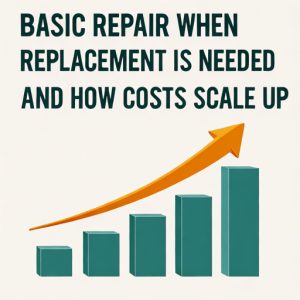
The repair process varies accordingly. For a surface chip, a technician injects a clear resin, cures it with UV light, and smooths the surface. The work can be completed in under an hour and usually costs between (50 and )100. A star crack requires more resin and careful polishing to avoid visible distortion; labor time rises to 1‑2 hours, pushing the price to (100‑)150.
Full‑length fractures introduce the most complexity. If the crack is confined to the interior surface and does not touch the edge, a specialized polymer may still salvage the windshield, but the procedure can take 2‑3 hours and cost up to (250. When the damage reaches the perimeter, the entire windshield must be removed and a new unit installed, which often exceeds )500 and includes glass, labor, and disposal fees.
Location also matters. Cracks that intersect the driver’s line of sight or sit directly in front of the windshield’s structural pillars (the A‑ and B‑posts) are more likely to compromise crash performance. Because safety regulations require a clear view and proper load distribution, many insurers and auto shops will recommend replacement rather than repair for these spots, regardless of crack length.
Another factor is temperature‑induced expansion. Glass expands and contracts with heat and cold. A crack that appears small on a cool morning can widen dramatically after a hot afternoon, especially if the fracture runs parallel to the windshield’s curvature. Technicians, therefore, assess the potential for future growth; a crack that seems repairable today may be flagged for replacement to prevent sudden failure.
In practice, the decision tree looks like this:
Measure the crack – Length, depth, and whether it reaches an edge.
Identify the pattern – Chip, star, or fracture.
Assess location – Driver’s view, structural posts, or peripheral area.
Consider environmental factors – Recent temperature swings or exposure to water.
Choose repair or replace – Based on safety standards and cost‑effectiveness.
“A crack that touches the windshield’s edge is treated like a structural breach,” notes a seasoned auto glass technician. “Even if the visual damage looks minor, the safety risk outweighs the savings of a simple repair.”
Understanding these nuances helps car owners anticipate why two seemingly similar cracks can generate vastly different invoices. A tiny chip might be fixed for a modest fee, while a star crack that threatens the driver’s field of vision could push the cost toward a full replacement.
With this foundation, the next step is to explore the broader variables that shape overall repair pricing, such as vehicle make, glass type, and labor rates.
Breaking Down the Core Factors That Influence Repair Pricing
Understanding why a cracked windshield can cost anywhere from (50 to )500 to repair begins with examining the factors that drive the price. Each factor interacts with the others, creating a pricing mosaic that can seem confusing at first glance. By unpacking these components, readers can better anticipate what they’ll be asked to pay and why.
1. Type of damage and its location. The size, shape, and position of a crack are the most immediate determinants of cost. A small, shallow chip tucked away in the top corner often requires only a resin fill, which keeps labor and material expenses low. Conversely, a long star‑burst that stretches across the driver’s line of sight may need a full panel replacement because the structural integrity of the glass is compromised. In practice, repair shops use standardized size thresholds—usually measured in inches—to decide whether a repair is feasible or a replacement is mandatory.
2. Glass technology and vehicle make Modern vehicles frequently employ laminated or tempered glass that incorporates acoustic-damping layers, heat‑reflective coatings, or built‑in sensor housings for advanced driver‑assistance systems (ADAS). Replacing these specialized panes is more expensive than swapping a standard windshield because the new glass must match the original’s optical and safety specifications. For example, luxury sedans often require OEM (original equipment manufacturer) glass, which can be 30‑40 % pricier than aftermarket alternatives.
3. Labor intensity and shop reputation Labor rates vary widely by region and by the shop’s level of certification. An ASE‑certified technician at a franchised service center may charge a higher hourly fee, but the trade‑off is often a guarantee of proper alignment and adherence to manufacturer standards. Independent mobile units, on the other hand, may offer lower labor costs and the convenience of on‑site service, though they could lack the same warranty coverage.
4. Insurance involvement When a driver’s personal injury protection (PIP) or comprehensive coverage covers glass repair, the out‑of‑pocket expense can shrink dramatically. However, insurers often impose a deductible—typically (100 to )250—that the policyholder must pay before the claim is processed. Some policies also have “no‑deductible” glass clauses, which essentially shift the cost entirely to the insurer. Understanding the nuances of one’s policy helps avoid surprise charges at the repair bay.
5. Seasonal demand and geographic factors. In regions with harsh winters, glass damage spikes due to thermal stress and road debris. Shops experience higher demand during these months, and prices can reflect that surge. Similarly, remote areas may have fewer qualified technicians, leading to higher travel fees or longer wait times for parts.
6. Additional services and warranties Many providers bundle ancillary services—such as a protective film, a calibration check for ADAS cameras, or an extended warranty—into the final invoice. While these upgrades can add (50 to )150 to the total, they may prevent future repair costs, especially for vehicles equipped with rain‑sensing wipers or heads‑up displays that rely on a perfectly clear pane.
“A transparent cost breakdown builds trust,” notes a veteran auto glass specialist. “Customers appreciate knowing why a (300 replacement is justified versus a )70 repair.”
Balancing these factors requires more than a quick glance at a price list. Consumers should ask providers for a detailed estimate that outlines material, labor, and any supplemental fees. Comparing at least two quotes—ideally from shops with differing business models—can reveal whether a quoted price is competitive or inflated.
Transitioning from the anatomy of pricing, the next logical step is learning how to gather accurate cost estimates. By leveraging online calculators, requesting written quotes, and spotting red‑flag terms in service agreements, vehicle owners can secure a fair deal without sacrificing safety.
How to Get Accurate Cost Estimates: Tools, Quotes, and Red Flags
How to Get Accurate Cost Estimates: Tools, Quotes, and Red Flags
When a driver decides that a cracked windshield needs professional attention, the first question is usually, “How much will it cost?” The answer can vary widely, but a systematic approach helps turn that uncertainty into a reliable estimate. Below are the main tools, best practices for gathering quotes, and warning signs that an estimate may be off‑base.
Start with Online Estimators
Many auto‑glass manufacturers and large repair networks host free calculators. By entering the vehicle’s make, model, year, and the size of the damage, the tool returns a price range that reflects current market rates. These estimators are useful for two reasons: they provide a quick benchmark and expose regional price differences—especially helpful for drivers living near major metropolitan areas, where labor costs tend to be higher.
Tip: Keep a screenshot of the estimated range. When you later speak with a shop, you can reference the figure and gauge whether their quote aligns with the industry standard.
Collect Multiple In‑Person Quotes
While online tools provide a baseline, an in‑person assessment captures nuances that algorithms miss. Schedule visits with at least three reputable glass specialists. During each inspection, ask the technician to:
Identify the specific crack type (e.g., bullseye, star, or edge crack).
Explain whether the damage can be repaired or requires a full replacement.
Provide a written breakdown of labor, material, and any disposal fees.
Having multiple written estimates lets you compare line items directly rather than relying on a single “all‑inclusive” figure that may hide hidden costs.
Use Insurance‑Partner Portals Wisely
Most major auto insurers partner with preferred glass shops and often offer a cost‑estimate portal. If the driver’s policy includes glass coverage, the portal can generate a quoted price that the insurer has already vetted. However, it is important to remember that insurance portals may favor shops that agree to a set reimbursement rate, which can occasionally be lower than the market average.
Action step: Compare the insurer’s quote with the independent estimates you gathered. If the insurance figure is significantly lower, ask the shop to explain the difference before proceeding.
Beware of Red Flags in the Estimate
|
|
|
|
Red Flag: Why It Matters |
|
|
Vague Line Items – “Labor” without hourly breakdown |
Makes it hard to verify if the shop’s labor rate is reasonable. |
|
Missing Warranty Details |
A reputable repair should include a warranty covering chips, cracks, and workmanship for at least 90 days. |
|
Price Too Low – Under $50 for a full windshield replacement |
Suggests sub‑standard glass or shortcuts in installation. |
|
Pressure to Accept Immediately |
High‑pressure tactics often indicate the shop wants to lock in a price before the driver can shop around. |
|
No Written Quote |
Verbal agreements are difficult to enforce if disputes arise later. |
If any of these signs appear, the driver should request clarification or move on to another provider. Transparent shops are accustomed to answering detailed questions and will happily provide a revised estimate.
Leverage Consumer Review Platforms
Websites such as the Better Business Bureau, Google Reviews, and local automotive forums give insight into how a shop handles pricing after the fact. Look for patterns—multiple customers mentioning “unexpected extra fees” or “price changes after the work begins” signal systemic issues. While a single negative review may be an outlier, recurring themes often reflect real pricing problems.
Ask About Additional Costs Up Front
Disposal Fees: Some shops charge a fee for removing the old glass; a clear estimate lists this cost separately.
Calibration Services: Modern vehicles with driver‑assist sensors may require recalibration after a windshield replacement. This service can add (100–)200, so confirm whether it’s included.
Mobile Service Surcharges: If the shop offers on‑site installation, there may be a mileage or fuel surcharge.
By requesting these specifics early, the driver avoids surprise charges once the work is complete.
Final Checklist Before You Commit
Three written estimates received, each with itemized labor and material costs.
Warranty terms clearly stated (minimum 90 days, covers chips and cracks).
Verification that the glass meets OEM (original equipment manufacturer) specifications.
Confirmation that any required sensor recalibration is part of the quoted price.
Review of the shop’s reputation through at least two independent consumer platforms.
Following this checklist transforms the often confusing process of pricing a windshield repair into a structured, transparent experience. The next section will guide the driver through the selection process, turning the gathered estimates into a confident decision about repair or replacement.
Step‑by‑Step Guide to Choosing the Right Repair or Replacement Service
Selecting a windshield service can feel overwhelming after gathering quotes and spotting red flags. The next logical move is to narrow the field to a provider that balances cost, quality, and safety. Below is a practical roadmap that walks a car owner through each decision point, from initial vetting to final confirmation.
1. Verify credentials before you call. Begin by confirming that the shop holds the proper certifications. Look for businesses accredited by the Auto Glass Safety Council (AGSC) or that display a state‑issued glass‑installer license. These seals indicate that technicians have completed the training required to meet federal safety standards for windshield installation and repair. If a provider cannot produce proof of certification, it is safest to move on.
2. Compare warranty coverage. Warranties differ widely—some cover only the workmanship, while others also include the glass material itself. A good rule of thumb is to favor a warranty that covers repairs for at least 2 years and full replacements for 3 years. Write down the warranty terms, ask whether it is transferable to a new owner, and check for any exclusions, such as damage caused by improper cleaning.
3. Assess the quality of the glass. Original Equipment Manufacturer (OEM) glass matches the vehicle’s factory specifications for thickness, curvature, and bonding. Aftermarket glass can be cheaper, but it may not meet the same structural criteria. When cost is a concern, request a side‑by‑side comparison of OEM versus certified aftermarket options. Many reputable shops will provide a written explanation of the differences, helping the buyer weigh safety against savings.
4. Check service logistics. Convenient scheduling and mobile service can be decisive factors. Ask the shop whether they can perform the repair at the customer’s home or workplace, and whether they use a mobile unit that conforms to the same standards as a fixed location. Mobile services often reduce the risk of further damage when driving back and forth to a shop.
5. Review customer feedback. Online reviews, especially on platforms such as Google and Yelp, give insight into consistent performance. Look for patterns rather than isolated comments—multiple mentions of delayed appointments or poor bonding indicate systemic issues. Also, pay attention to how the business responds to negative feedback; a professional, solution‑focused reply demonstrates accountability.
6. Get a detailed written estimate. A transparent estimate should break down labor, glass material, disposal fees, and any additional charges (e.g., for recalibrating driver‑assist sensors). Avoid vague figures like “total cost TBD.” When two or more providers present similar line items, you can directly compare them to spot hidden fees or inflated labor rates.
7. Confirm compliance with insurance requirements. If the claim will be processed through an auto insurer, ensure the shop works with the carrier’s preferred provider list. Many insurers negotiate rates with specific vendors, but the policy may still require that the chosen service meet certain safety standards. Providing the insurer with the shop’s certification details can speed up approval.
8. Schedule a pre‑service walkthrough. Before authorizing work, ask for a brief walk‑through of the shop’s facilities. Observe the cleanliness of the work area, the condition of the tools, and whether the staff wears protective equipment. A tidy environment often reflects a commitment to quality workmanship.
9. Final decision checklist: Summarize the findings in a short checklist:
Certified technicians (AGSC or state license) – ✔️
Warranty ≥ 2 years, transferable – ✔️
OEM glass preferred or clear OEM vs. aftermarket rationale – ✔️
Mobile service or convenient location – ✔️
Positive, consistent customer reviews – ✔️
Detailed written estimate with no hidden fees – ✔️
Insurance compatibility confirmed – ✔️
Clean, organized workspace – ✔️
If any item is missing or raises doubt, continue the search until all criteria are satisfied.
By following these steps, car owners move from a pool of ambiguous quotes to a vetted, trustworthy service provider. The next section will explore how to fine‑tune that choice—maximizing savings while preserving the safety standards that a windshield repair or replacement demands.
Optimizing Your Repair Choice: Saving Money Without Compromising Safety
Choosing the most cost‑effective solution for a cracked windshield does not mean cutting corners on safety. After the step‑by‑step guide that helped readers narrow down reputable shops, the next challenge is balancing price, quality, and long‑term protection. Below are practical strategies that let drivers keep expenses low while still meeting the rigorous safety standards required for modern automotive glass.
1. Compare the Scope of the Repair, Not Just the Price A low quote can be tempting, but it may hide hidden costs. For example, some shops offer a “basic repair” that only fills the crack without properly restoring the structural integrity of the windshield. If the glass is not correctly bonded, the vehicle’s crash performance can be compromised. When evaluating estimates, ask each provider to explain what is included in the service—whether they will re‑prime the surrounding area, use OEM‑approved resin, and certify the repair with a written safety report. A slightly higher price that covers these steps often saves money later by avoiding premature failure.
2. Leverage Insurance Policies Wisely Many drivers assume that filing a claim automatically results in the best price, but that is not always true. Some policies waive the deductible for windshield repairs, while others apply a standard deductible regardless of the work needed. Before contacting the insurer, request a few independent quotes. If the out‑of‑pocket cost after the deductible is lower than the insurance‑covered amount, it may be smarter to pay directly and preserve the claim for future, more serious damage.
3. Use Certified Mobile Repair Services Mobile units have become increasingly common, especially in urban areas. Because they eliminate the need for a physical shop, they can pass the savings on to the customer. However, not every mobile service meets the same quality thresholds. Verify that the technician holds certification from a recognized organization such as the Auto Glass Safety Council (AGSC). Certified mobile crews are required to follow the same bonding and curing procedures as stationary shops, ensuring that the repaired windshield retains its designed impact resistance.
4. Ask About Warranty Coverage A solid warranty is an indicator that a shop stands behind its work. Look for at least a 12‑month or 12,000‑mile warranty on repairs; many reputable providers extend this to two years. When a shop offers a longer warranty at no extra charge, it usually reflects confidence in the materials and technique used. Conversely, a “no‑warranty” quote should raise a red flag, even if the price appears attractive.
5. Consider Re‑using Existing Glass When Possible In cases where the crack is small and the surrounding area is undamaged, some technicians can preserve the original windshield and simply apply a resin fill. This approach avoids the cost of a full replacement, which can range from (200 to )600 depending on the vehicle model. Re‑use is safe as long as the technician confirms that the integrity of the laminated glass layers remains intact. Request a visual inspection report before agreeing to the repair.
6. Take Advantage of Seasonal Promotions Many auto‑glass shops run limited‑time discounts during slower months—typically late winter or early fall. While these promotions can reduce the bill by 10‑15 %, they rarely affect the quality of the work. Sign up for newsletters or follow local shops on social media to catch these deals before they expire.
7. Evaluate the Total Cost of Ownership A cheap repair that fails within months can lead to higher overall expenses, including additional labor, possible damage to the vehicle’s sensor systems (such as ADAS cameras), and increased risk of injury. When budgeting, factor in the expected lifespan of the repair. A modestly higher upfront cost that delivers a five‑year seal is usually the smarter financial move.
“Safety should never be a bargaining chip. When price and protection are both transparent, drivers can make confident decisions without second‑guessing the outcome.” – an industry veteran
By applying these considerations—scrutinizing what the quote includes, using insurance strategically, verifying certifications, and weighing warranty terms—vehicle owners can confidently choose a repair option that respects both their wallet and their safety. The next section will outline what to expect after the windshield has been fixed, including warranty validation, routine maintenance, and potential future costs.
What to Expect After the Repair: Warranty, Maintenance, and Future Costs
What to Expect After the Repair: Warranty, Maintenance, and Future Costs
After the windshield has been repaired or replaced, the next concern for most vehicle owners is what comes next. The immediate aftermath is usually defined by three pillars: the warranty that backs the work, routine maintenance to keep the glass performing its protective role, and the realistic outlook on future expenses. Understanding each of these areas helps drivers protect their investment and avoid surprise bills down the road.
Warranty coverage acts as the first line of defense. Most reputable auto glass shops provide a written warranty ranging from 2 to 5 years, depending on the service performed. For a simple crack repair, the warranty often guarantees that the same crack will not reappear in the repaired spot under normal driving conditions. In a full windshield replacement, the warranty typically covers the entire glass panel, including issues such as seam failure, adhesive loss, or distortion that could impair visibility. It is important to read the fine print: some warranties become void if the vehicle undergoes certain modifications (for example, aftermarket tinting) or if the driver neglects recommended cleaning procedures.
Transitioning from warranty to upkeep, maintenance practices are surprisingly straightforward but easy to overlook. The glass itself does not require lubrication, yet the surrounding sealant does. Over time, exposure to extreme temperatures, road salt, and UV radiation can cause the seal to shrink or crack, creating a path for water leaks. A practical tip is to inspect the windshield edges quarterly—look for moisture stains, buzzing noises, or a feeling of looseness when gently pressing the glass. If any of these signs appear, a quick visit to the shop can often seal the issue before it escalates into a costly replacement.
Cleaning the windshield also helps preserve the repair. Using a soft microfiber cloth and a pH‑balanced glass cleaner avoids scratching the repaired area. Harsh chemicals, such as ammonia‑based cleaners, can degrade the resin that fills a repaired crack, reducing its long‑term durability. For drivers who frequently use windshield wipers, checking the wiper blades for wear at least twice a year helps prevent uneven pressure that could stress a repaired zone.
Looking ahead, future costs are rarely static. While a well‑executed repair can last several years, a windshield’s lifespan is influenced by factors beyond the initial fix. Climate is a major variable; regions with frequent freeze‑thaw cycles see higher rates of glass damage because expanding ice puts pressure on the edges of repaired cracks. Likewise, heavy traffic on highways increases the likelihood of stone impacts, which may create new chips that interact with old repairs.
If a new chip appears near a previously repaired area, the cost to address it can rise. Technicians may need to remove the old resin before applying fresh material, adding labor time and material expense. In some cases, the cumulative damage becomes extensive enough that a full replacement is the most economical route. To mitigate this risk, many shops recommend an annual inspection as part of a preventive maintenance plan. Some auto insurers even bundle such inspections into comprehensive policies, allowing owners to address minor issues before they require major work.
Finally, budgeting for contingency funds is a wise practice. Setting aside a modest amount each year—say, (50 to )100—creates a financial cushion for unexpected glass work. This habit not only eases the impact of sudden repair bills but also signals to insurers that the owner takes proactive steps, which can sometimes translate into lower premium discounts.
In sum, the post‑repair phase is not a passive waiting period. By honoring warranty terms, performing regular visual and functional checks, using gentle cleaning methods, and planning for the inevitable wear that comes with time and climate, vehicle owners can extend the life of their windshields and keep future costs predictable.
Frequently Asked Questions
What types of windshield cracks affect repair costs the most?
Repair costs vary most with crack size, shape (e.g., star, bullseye, or long crack), and location; larger, deeper, or centrally located cracks typically require more expensive repair or full replacement.
How can I get an accurate estimate for fixing my cracked windshield?
Use multiple online quote tools, compare in‑person assessments, and watch for red flags like unusually low prices or missing warranties; detailed quotes should break down labor, materials, and any additional fees.
When should I choose repair over full windshield replacement?
If the crack is smaller than a quarter, not in the driver’s line of sight, and hasn’t spread, repair is usually sufficient; larger or obstructive cracks, especially those compromising structural integrity, warrant replacement.
What should I look for in a windshield service provider?
Verify the shop’s certifications (e.g., ASE, OEM approvals), read reviews, confirm they offer a warranty, and ensure they use proper adhesive and safety standards before committing.
What post‑repair maintenance helps prevent future windshield damage?
Follow the provider’s curing time, avoid extreme temperature changes immediately after service, regularly inspect for new chips, and address minor damage promptly to keep repair costs low.

No comment yet, add your voice below!